
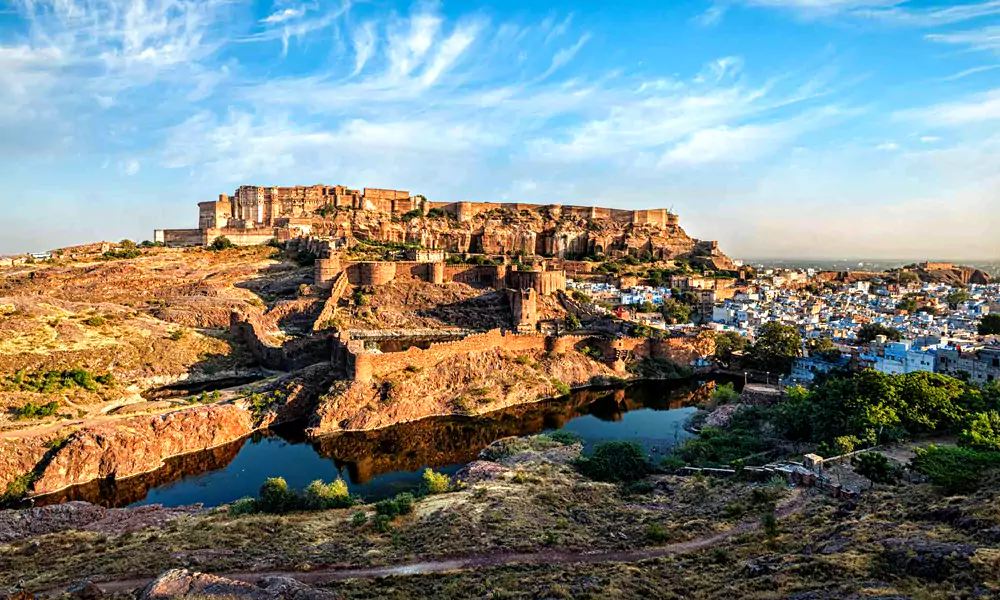
Mehrangarh Fort
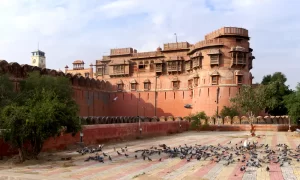
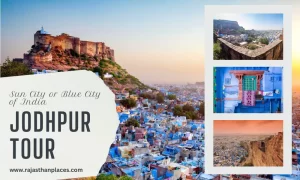
Mehrangarh Fort in Jodhpur is a 15th-century hilltop fort known for massive walls, royal palaces, and panoramic views of the Blue City.
Built in 1459 by Rao Jodha, this fort rises about 400 feet above Jodhpur and ranks among the largest forts in India. It features grand palaces like Moti Mahal and Phool Mahal, detailed carvings, and a museum displaying royal artefacts. Visitors come for its history, architecture, and elevated city views.

What are the timings and entry fees of Mehrangarh Fort?
Mehrangarh Fort opens daily from 9 AM to 5 PM; entry costs about INR 100 for Indians and INR 600 for foreign visitors.
| Visitor Type | Entry Fee (Approx.) |
|---|---|
| Indian Adult | INR 100 |
| Student (India) | INR 50 |
| Foreign Tourist | INR 600 |
Additional charges apply for camera usage and guided tours. Audio guides are available and recommended for a detailed visit.
Who built Mehrangarh Fort and when?
Rao Jodha built Mehrangarh Fort in 1459 as the new capital of Marwar, replacing Mandore for stronger defence and strategic control.
The fort was built on top of a rocky hill in Jodhpur by Rao Jodha, the 15th ruler of the Rathore dynasty, who moved the capital from Mandore to provide better security and strengthen control.
The fort has also been enlarged by the next rulers with the addition of palaces, gates, and high walls.
What is the architectural style of Mehrangarh Fort?
Mehrangarh Fort features Rajput architecture with Mughal influences, seen in carved sandstone walls, jharokhas, courtyards, and richly decorated palaces.
- Built using red sandstone with thick defensive walls
- Combines Rajput strength with Mughal decorative elements
- Features jharokhas, chhatris, and lattice (jali) work
- Interiors include mirror work, gold detailing, and frescoes
- Designed for both defence and royal residence
Why is Mehrangarh Fort historically important?
Cultural and Historical Importance
Mehrangarh Fort holds immense cultural and historical significance for the people of Rajasthan. It serves as a symbol of the Rathore dynasty’s resilience, valor, and architectural brilliance.
The fort has witnessed numerous battles, celebrations, and significant events in Rajasthan’s history, making it a living museum of the region’s heritage.
Preservation and Restoration
The efforts of the Mehrangarh Museum Trust have preserved and restored the fort meticulously over the years. Established in 1972 by Maharaja Gaj Singh II, the trust has played a crucial role in maintaining the fort’s structural integrity and showcasing its rich history to the world.
The museum within the fort houses a vast collection of artefacts, including royal costumes, weaponry, paintings, and manuscripts, offering visitors a glimpse into the royal lifestyle of the Rathore rulers.
Cultural Events and Festivals
Mehrangarh Fort is not just a historical monument; it is also a vibrant cultural hub. The fort hosts various cultural events and festivals throughout the year, attracting artists, performers, and tourists from around the globe.
One of the most prominent events is the Rajasthan International Folk Festival (RIFF), held annually in October. The festival celebrates Rajasthan’s folk music, dance, and arts, creating a lively and immersive experience for visitors.
What are the top attractions inside Mehrangarh Fort?
Top attractions include Moti Mahal, Phool Mahal, Sheesh Mahal, Chamunda Temple, and the Daulat Khana museum inside the fort complex.
- Moti Mahal: Coronation hall with glass windows and royal seating
- Phool Mahal: Most ornate palace with gold work and frescoes
- Sheesh Mahal: Mirror-decorated interiors with mythological art
- Chamunda Mata Temple: Popular temple with city views
- Daulat Khana Museum: Displays weapons, textiles, paintings
- Zenana Deodi: Queen’s quarters with intricate jali work
When is the best time to visit Mehrangarh Fort?
The best time to visit Mehrangarh Fort is from October to March when the weather stays cooler and suitable for walking tours.
- Winter (Oct–Mar): Ideal for sightseeing; temperatures remain comfortable
- Summer (Apr–Jun): Avoid midday visits due to extreme heat
- Monsoon (Jul–Sep): Occasional rain, but fewer crowds
- Best Time of Day: Early morning or late afternoon for better light and fewer visitors
If you want optimal photos and a smoother experience, early morning wins—less heat, fewer crowds, clearer views.
How can you reach Mehrangarh Fort in Jodhpur?
You can reach Mehrangarh Fort via Jodhpur Airport, railway station, or road, all located within 5–8 km of the fort.
- By Air: Jodhpur Airport (≈8 km); taxis easily available
- By Train: Jodhpur Railway Station (≈5 km); auto or cab access
- By Road: Well-connected via NH routes; buses and taxis available
- Local Transport: Auto-rickshaw, cab, or bike rental from city
What are the best places to visit near Mehrangarh Fort?
1. Jaswant Thada
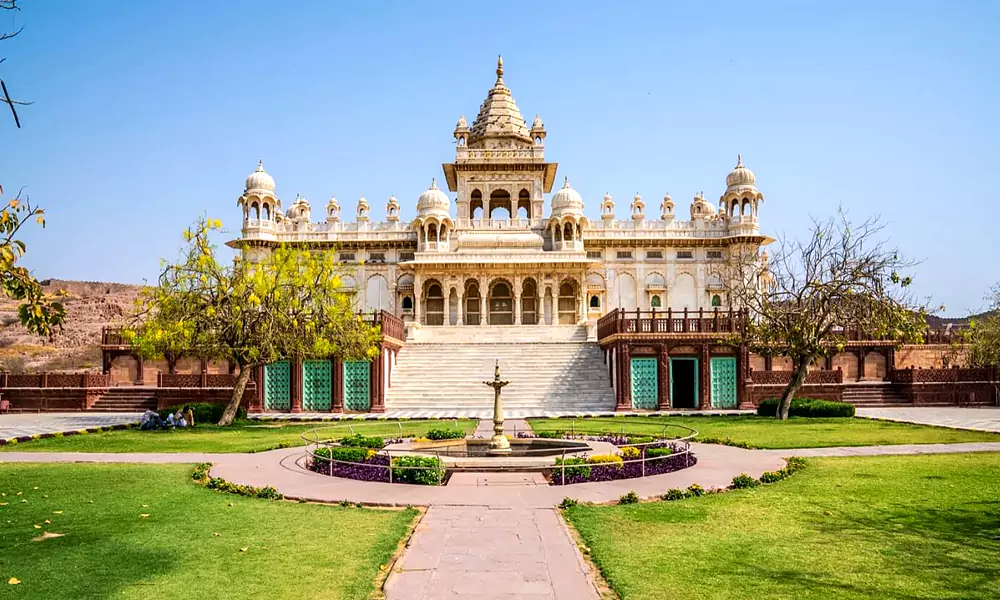
Located a short distance from Mehrangarh Fort, Jaswant Thada is a beautiful marble cenotaph built in memory of Maharaja Jaswant Singh II. The cenotaph features intricate marble lattice work, domes, and a tranquil garden, making it a serene spot to visit.
2. Umaid Bhawan Palace
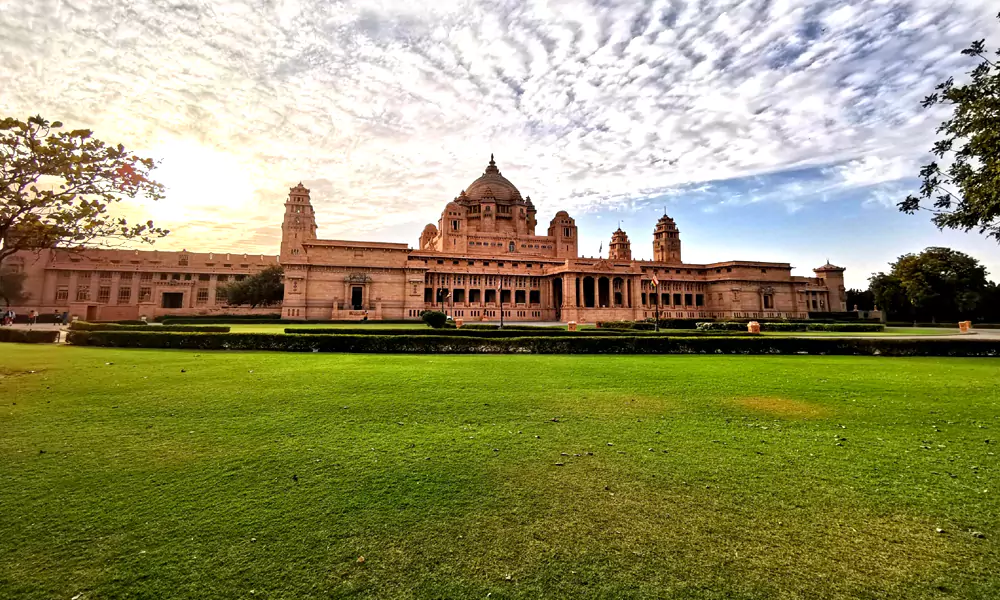
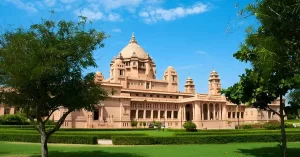
Umaid Bhawan Palace, one of the largest private residences in the world, is another must-visit attraction in Jodhpur. The palace, a blend of Indian and European architectural styles, is partially open to the public as a museum.
It showcases artefacts, photographs, and vintage cars, offering a glimpse into the royal history of Jodhpur.
3. Clock Tower and Sardar Market
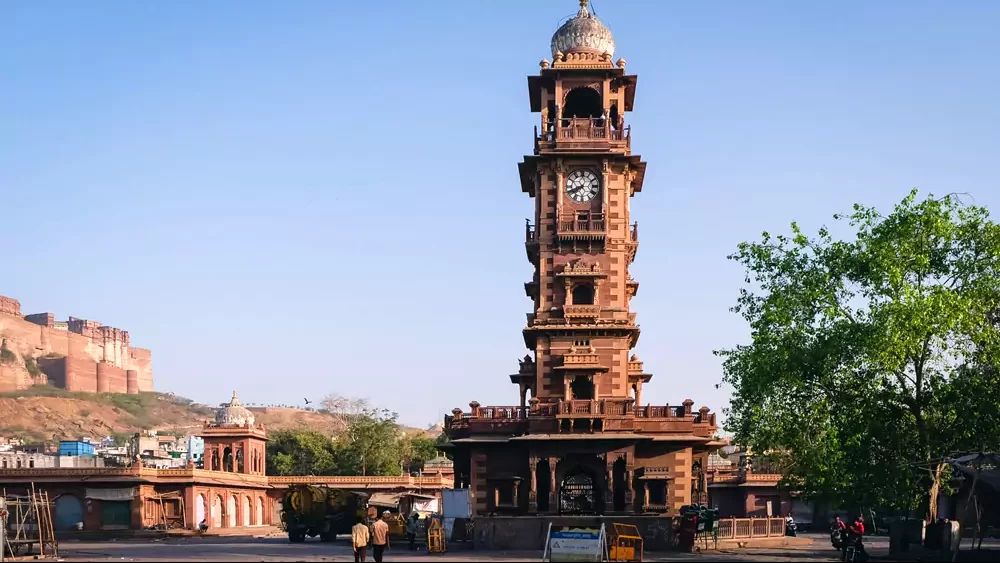
For a taste of local life, visitors can explore the bustling Clock Tower and Sardar Market in the heart of Jodhpur. The market is a vibrant hub of activity, with shops selling spices, textiles, handicrafts, and souvenirs.
The iconic Clock Tower stands as a landmark in the market area, adding to the charm of the place.
Some useful travel tips for visiting Mehrangarh Fort
Wear comfortable shoes, carry water, and plan your visit early morning or late afternoon to avoid heat and crowds.
- Wear reliable footwear for stairs and uneven paths
- Carry water; Jodhpur heat can be intense
- Visit early in the morning for better lighting and fewer crowds
- Use audio guides for better understanding
- Respect temple rules and local customs
- Keep extra time for museum and viewpoints
Frequently Asked Questions (FAQs)
Yes, Mehrangarh Fort opens every day from 9 AM to 5 PM. It usually stays open even on weekends and holidays, but entry can slow down during events or peak tourist hours.
You need around 2 to 3 hours to explore Mehrangarh Fort. The route includes uphill walking, palace sections, and museum stops, which naturally extend your time inside. If you take the audio guide and pause at viewpoints, the visit usually goes beyond 3 hours.
Yes, you can hire a guide at Mehrangarh Fort. Guided tours are available in multiple languages, providing detailed insights into the fort’s history and architecture. Audio guides are also available for a self-guided tour.
Yes, there are a few cafes and eateries within the fort complex where you can enjoy refreshments and snacks. The Chokelao Mahal Terrace is a popular spot, offering a delightful dining experience with stunning views of the fort and the city.
While some areas of the fort may be challenging for wheelchair access due to stairs and uneven surfaces, efforts have been made to improve accessibility. It’s advisable to check with the fort authorities for specific information on accessible routes and facilities.
















Leave a Comment