
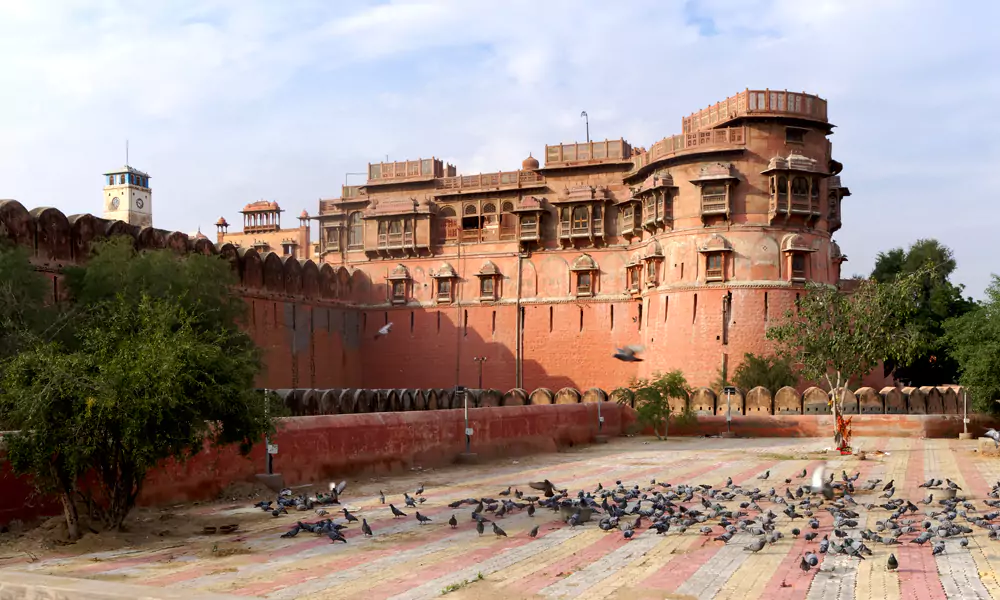
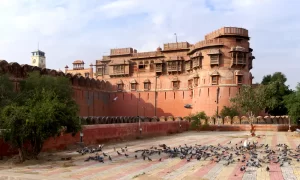
Junagarh Fort in Bikaner is a 16th-century fort built on flat land and never captured. It opens from 10:00 AM to 4:30 PM with 50 rupee entry.
Raja Rai Singh built the fort between 1589 and 1594 near Bikaner Junction. It covers 5.28 hectares and includes palaces like Anup Mahal and Phool Mahal. Most visitors explore it in one to two hours.
Junagarh Fort timings and ticket prices
Junagarh Fort opens daily from 10 AM to 4:30 PM with no weekly closing day. The ticket price is 50 rupees for Indians and 300 rupees for foreign visitors.
Today’s Timing
- Open today: Yes
- Time: 10 AM to 4:30 PM
- Closed day: None
Ticket Price
- Indian visitor: 50 rupees
- Foreign visitor: 300 rupees
Extra Charges
- Photo: 50 rupees
- Video: 200 rupees
Quick Facts
- No online ticket booking
- Tickets are available at the counter
- Best time to visit: morning before 12 PM
- Average visit time: 1 to 2 hours
You can also compare it with other forts like Mehrangarh Fort for timing differences.
History
The Genesis of Junagarh Fort
Raja Rai Singh built Junagarh Fort in Bikaner between 1589 and 1594 under Mughal Emperor Akbar, making it a key Rajput-era structure.
Raja Rai Singh, the sixth ruler of Bikaner and a distinguished general in the army of the Mughal Emperor Akbar, undertook its construction. The fort’s name was later changed to Junagarh, meaning “Old Fort,” when the royal family moved to Lalgarh Palace outside the fort limits.
The Fort’s Evolution Through Eras
Over the centuries, Junagarh Fort saw several additions and renovations, reflecting the various influences that came with different rulers. The Karan Mahal, built by Karan Singh in the 17th century, is one of the oldest structures within the fort.
In subsequent years, Anup Mahal, Ganga Mahal, and Phool Mahal were added, each displaying unique architectural styles and decorations.
Junagarh in Warfare
Numerous invasions have failed to capture Junagarh Fort, thanks to its strong defences and strategic planning. (The fort has never been captured despite numerous invasions.)
The fort witnessed the siege of Kamran Mirza, Akbar’s brother, and numerous skirmishes with local chieftains. Each encounter left an indelible mark on the fort’s history, contributing to its legends of invincibility.
Architecture
Structural Brilliance
Junagarh Fort’s architecture is a blend of Rajput, Mughal, and Gujarati styles, resulting in a mesmerizing amalgamation of designs. The fort complex spread over 5.28 hectares, includes several palaces, temples, and pavilions, all intricately designed and adorned.
Palaces and Pavilions
- Karan Mahal: Known for its exquisite stained glass windows and intricately carved balconies, Karan Mahal is a testament to the fine craftsmanship of the era. The palace was used as a public audience hall.
- Anup Mahal: This multi-storey structure served as the administrative headquarters. It features ornate wooden ceilings, inlaid mirrors, and vibrant murals depicting scenes from Hindu mythology.
- Phool Mahal: As the name suggests, Phool Mahal, or “Flower Palace,” is adorned with delicate floral motifs and vibrant frescoes, showcasing the opulence of the royal lifestyle.
- Ganga Mahal: Built in the early 20th century, Ganga Mahal houses a museum that exhibits an extensive collection of artefacts, including weapons, paintings, and manuscripts.
Temples and Gardens
Junagarh Fort is also home to several temples, such as the Har Mandir, where the royal family worshipped their deities. The fort’s gardens, like the Badal Mahal courtyard, offer a serene escape with their lush greenery and aesthetic appeal.
You can also explore other best forts in Rajasthan to understand similar architectural styles.
Cultural Significance
A Reflection of Bikaner’s Heritage
Junagarh Fort is not just a monument; it is a symbol of Bikaner’s cultural and historical identity. The fort’s various structures and artworks narrate the tales of bravery, loyalty, and artistic excellence of the Rajput rulers.
Festivals and Events
The fort comes alive during local festivals like the Camel Festival and the Karni Mata Fair, attracting tourists and locals alike. These events provide a glimpse into the rich traditions and vibrant culture of Bikaner.
Preservation and Tourism
The Archaeological Survey of India (ASI) and the Rajasthan government have taken significant steps to preserve Junagarh Fort’s legacy. The fort’s museum, which houses invaluable artefacts, plays a crucial role in educating visitors about the region’s history.
Best Time to Visit Junagarh Fort
Ideal Seasons
The best time to visit Junagarh Fort is from October to March when the weather stays cool, making it easier to explore the large complex.
The hot summer heat of Rajasthan can make daytime sightseeing quite uncomfortable, while the monsoon season can sometimes hinder travel plans.
Special Events
Visiting during the Camel Festival in January offers a unique cultural experience, as the fort hosts various events and activities that celebrate Bikaner’s heritage.
The fair includes camel races, dances, and other traditional performances that provide a lively backdrop to the historic fort.
You can also check the best months to visit Rajasthan for better trip planning.
How to Reach Junagarh Fort
By Air
The closest airport to Junagarh Fort is Jodhpur Airport, 250 km away, offering better connectivity. Nal Airport, 17 km from Bikaner, has limited flights.
By Train
Bikaner Junction, just 2 km from Junagarh Fort, connects easily to Delhi, Jaipur, and Jodhpur with trains like Bikaner Express and Howrah-Bikaner Express.
By Road
You can easily reach Bikaner by bus from Jaipur, Jodhpur, and Delhi. Private taxis and car rentals provide convenient travel options for visitors.
If you are planning a longer trip, you can follow this Rajasthan road trip route.
Best places to visit near Junagarh Fort
1. Lalgarh Palace
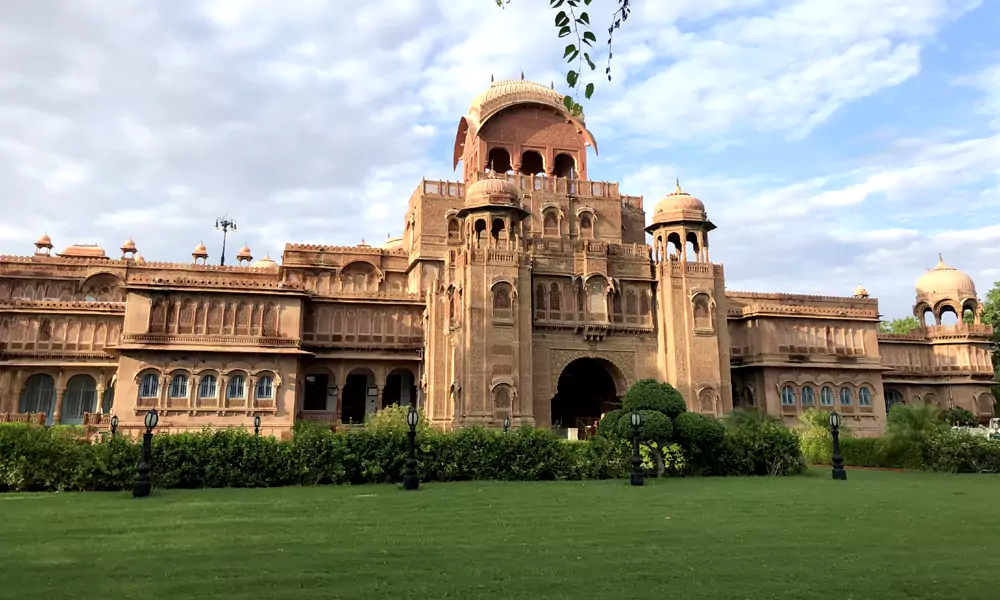
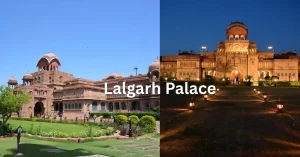
Located just a few kilometers from Junagarh Fort, Lalgarh Palace is a stunning blend of European and Rajput architecture. Built in the early 20th century, it now houses a museum and a heritage hotel, offering visitors a chance to experience royal hospitality.
2. Karni Mata Temple
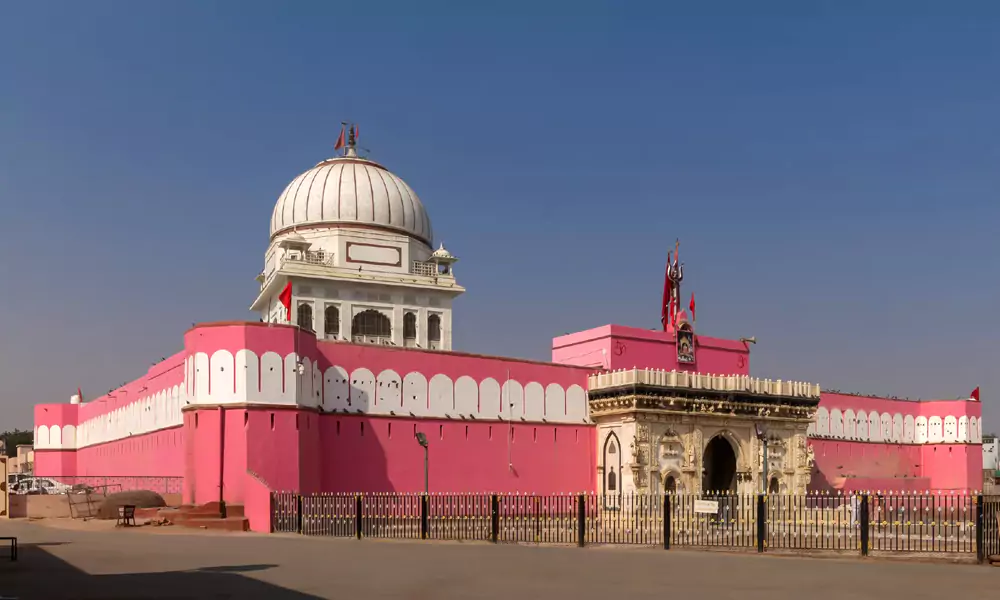
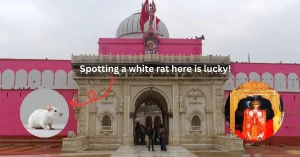
The rats, considered sacred by devotees, reside in Karni Mata Temple, located approximately 30 kilometers from Bikaner in Deshnok. This unique temple attracts visitors intrigued by its unusual traditions and fascinating legends.
3. Gajner Palace
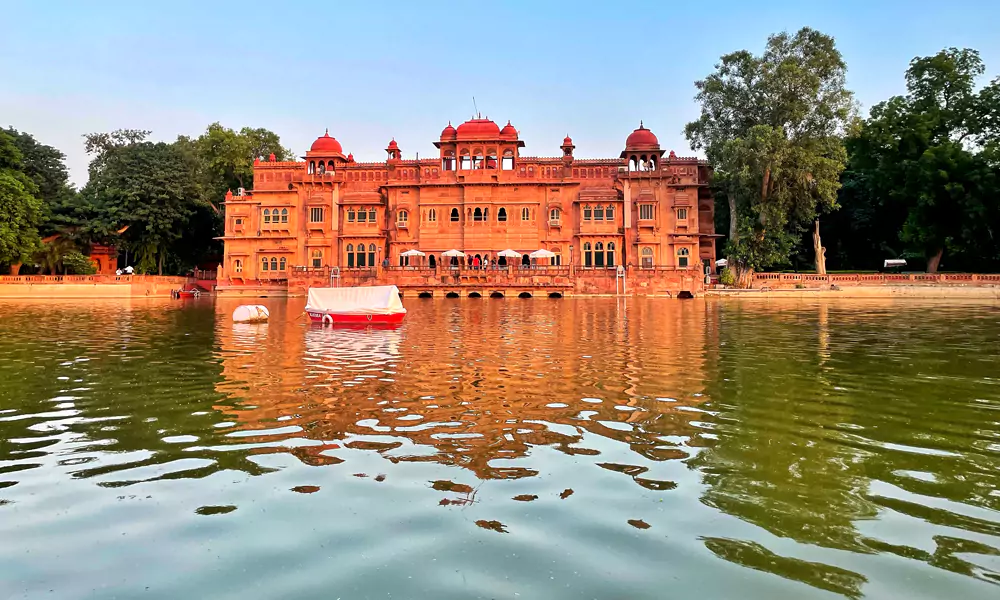
Gajner Palace, a lakeside palace located approximately 30 kilometers from Bikaner, is now a heritage hotel. The palace complex, with its beautiful gardens and wildlife sanctuary, offers a serene retreat for visitors.
4. National Research Centre on Camel
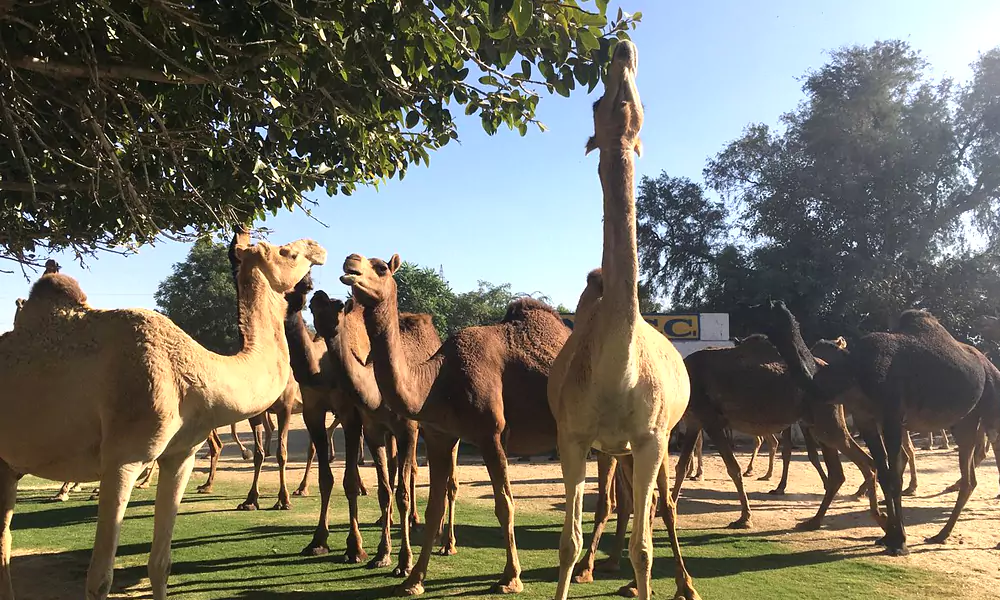
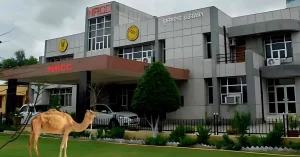
About 8 kilometers from Bikaner, this center is a must-visit for those interested in learning about camels. It offers insights into camel breeding and has a small museum dedicated to these fascinating animals. Visitors can also enjoy camel rides and taste camel milk products.
Travel Tips
- Guided Tours: Hiring a local guide can enhance your experience, providing valuable insights and historical context that you might miss otherwise.
- Footwear and Comfort: Wear comfortable shoes, as you’ll be doing a lot of walking. The fort’s expansive grounds and numerous steps require sturdy footwear.
- Hydration and Sun Protection: Carry water and use sunscreen, especially if visiting during warmer months. The Rajasthan sun can be quite harsh.
- Photography: While photography is allowed, some areas may have restrictions. Always check and respect the rules to preserve the integrity of the artefacts and structures.
Cultural Sensitivity
- Respect Local Customs: Dress modestly and respect local customs, especially when visiting temples and other religious sites within the fort complex.
- Environmental Care: Help preserve the fort’s beauty by not littering and being mindful of the surroundings.
Frequently Asked Questions (FAQs)
Junagarh Fort opens daily from 10 AM to 4:30 PM. It stays open all days of the week with no fixed closing day. Visitors can enter anytime during these hours.
Yes, guided tours are available and highly recommended to fully appreciate the fort’s rich history and architecture.
Junagarh Fort is about 2 km from Bikaner Junction railway station. It takes around 5 to 10 minutes by auto or taxi.
Some areas of the fort may be challenging to access for people with disabilities due to its historic architecture and numerous steps. However, efforts are being made to improve accessibility.
Junagarh Fort is about 2 km from Bikaner Junction railway station and takes 5–10 minutes by auto, taxi, or local transport.
















Leave a Comment