
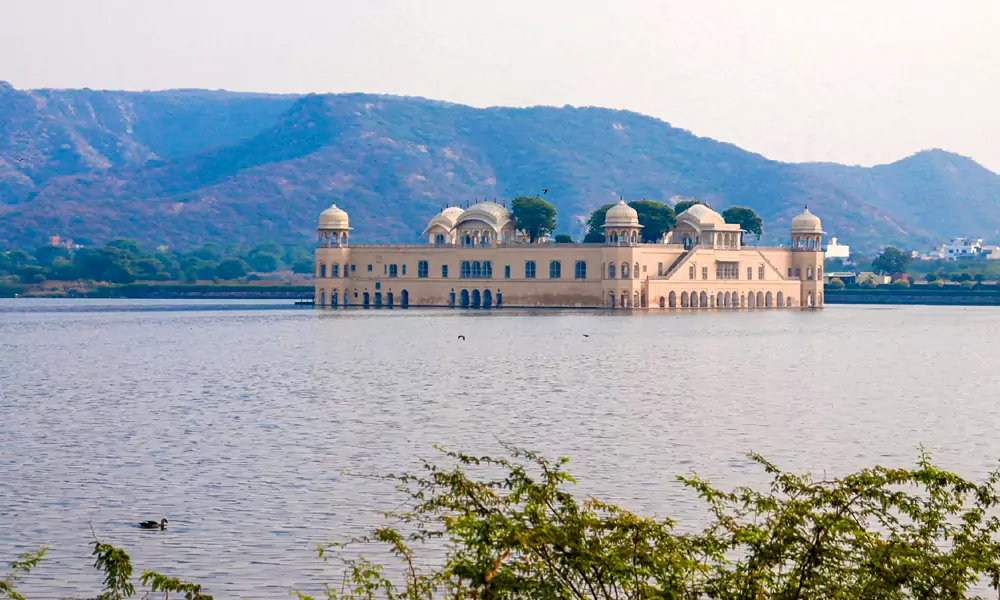
Jal Mahal, famously known as the Water Palace of Jaipur, is one of the most photographed landmarks in Rajasthan. Situated in the middle of Man Sagar Lake, this architectural marvel appears to float gracefully on water, creating a striking visual that captivates visitors at first glance. Unlike many palaces in Jaipur, Jal Mahal is not open for interior visits, yet it remains a must-see attraction due to its unique design, scenic surroundings, and historical importance.
Jal Mahal is situated on Amer Road between the city of Jaipur and Amber Fort and is best viewed from the lakeside promenade or during a boat ride on Man Sagar Lake. Many people stop at Jal Mahal for photography at sunset or to watch birds, making it an excellent place to see while exploring Jaipur’s royal heritage. This guide will provide all of the information you need about Jal Mahal – its history, architectural value, opening hours, ticket prices, best time to visit, and surrounding attractions.
Jal Mahal Timings and Ticket Price
Visitors can go to Jal Mahal at any time of day or night. However, they cannot enter the palace itself, as there is no public access to the interior. Visitors are welcome to enjoy views of the building from the banks of the lake year-round.
Jal Mahal Visiting Times
- Open Days: Monday to Sunday
- Visiting Hours: 9:00 AM to 5:00 PM
- Best Time to Visit: Early morning or late afternoon for photography and pleasant weather
You can freely view the Jal Mahal from the promenade, providing an easy stop for your Jaipur sightseeing tour; many people make this stop when visiting Jaipur.
Jal Mahal Ticket Price
- Viewing from outside: Free of cost
- Entry inside the palace: Not allowed
Boat Ride Ticket Price
If you’d like to see the Jal Mahal from the water, you can take a boat ride on the Man Sagar Lake, which is available from authorized service providers.
- Boat Ride Charges: The charges for boat rides are approximately Rs. 50–Rs. 200 per person.
- Price Variation: Boat ride prices are based on the type of boat and how long the ride lasts.
- Availability: Boat rides are not always available due to weather and locality laws.
Note: Boat ride prices vary by season. Confirm current rates where the boat operates prior to your visit.
| Detail | Information |
|---|---|
| Location | Amer Road, Jaipur |
| Entry Inside Palace | Not Allowed |
| Viewing Fee | Free |
| Boat Ride Fee | INR 50–200 |
| Best Visit Time | Morning & Evening |
Can You Go Inside Jal Mahal?
No, visitors are not allowed inside Jal Mahal. The interior of the Jal Mahal is currently closed to the public for conservation and maintenance reasons. Visitors can admire the palace from the lakeside promenade on Amer Road or during an authentic boat ride on Man Sagar Lake, which gives a closer look at the monument from outside.
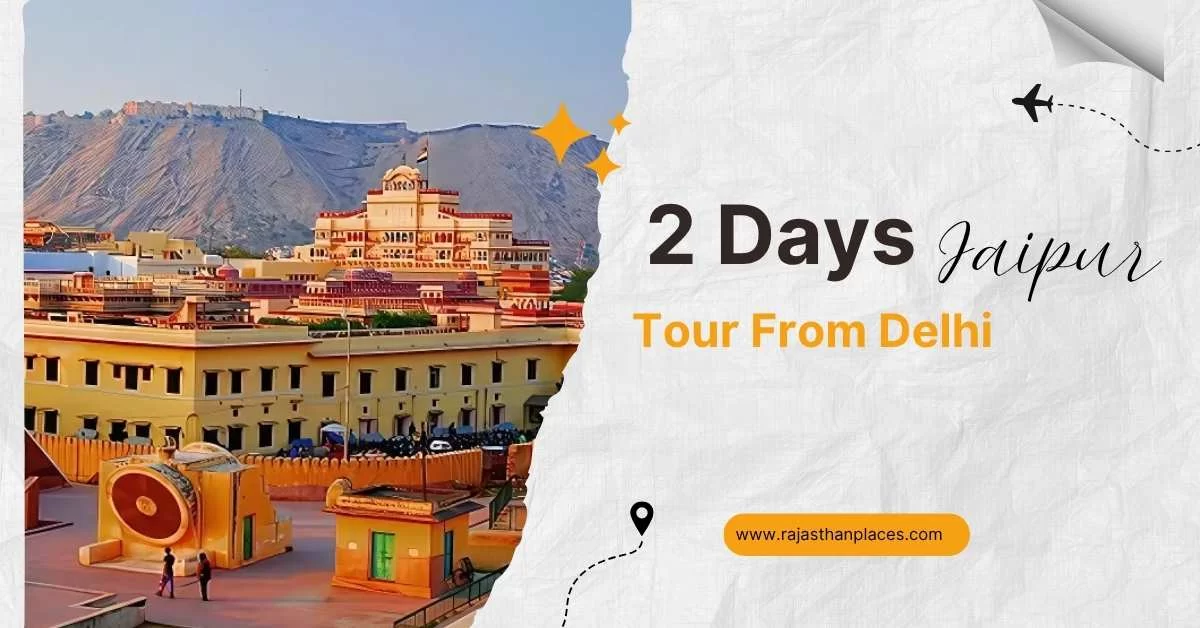
Jal Mahal was not intended to be a public palace but was built as a royal hunting lodge and a place of relaxation for the royal family. As Jal Mahal is situated within the center of a lake, opening it up to visitors could lead to deterioration of the building over time as well as possible structural damage to the structure itself. As a result, access is restricted and visitors are encouraged to use designated viewing locations only to see the structure. You can also book our 2 Days Jaipur tour package from Delhi.
History of Jal Mahal
The history of Jal Mahal dates back to the early 18th century, during the reign of Maharaja Sawai Jai Singh II, the founder of Jaipur. He commissioned the construction of the Jal Mahal primarily as a hunting lodge and resort, especially for duck hunting expeditions in the surrounding Man Sagar Lake. At that time, the lake itself was expanded by constructing a dam to control the flow of water, giving the palace its characteristic water-surrounded setting.
Maharaja Madho Singh I, son of Jai Singh II, was responsible for the first major renovation of Jal Mahal in mid-18th century India. During this process, he improved and added decorative features, along with changing the structure and architectural design of the palace to create the same beautiful look it has. The palace would be used for seasonal retreats for royal families and gathering and entertaining purposes rather than being a place where kings lived or ruled from.
For many years, Jal Mahal has experienced neglect because of environmental problems and changing water levels, and in the early 21st century, it began an extensive restoration and conservation effort to revitalize the palace and reestablish the ecological balance of Man Sagar Lake. This restored not only the monument but also created an important wetland environment for migratory birds, thus enhancing Jal Mahal’s cultural and ecological significance.
Today, Jal Mahal stands as a remarkable symbol of Rajput engineering skill, aesthetic vision and environmental harmony, making it one of Jaipur’s most iconic landmarks.
Architecture of Jal Mahal
The architectural masterpiece of Jal Mahal is an excellent example of how Rajput and Mughal architecture work together. It is uniquely situated in the center of Man Sagar Lake and was built to be both beautiful and sturdy enough to endure the changing water levels for hundreds of years.
Key Architectural Highlights of Jal Mahal
- At the time it was built, Jal Mahal was a monumental five-story palace, in which four stories of the palace are submerged when the lake is full, making it look like it is floating.
- The red sandstone used to build the palace gives it a very warm golden glow at both sunrise and sunset.
- The palace follows a symmetrical layout, a common feature of Mughal architecture, combined with Rajput decorative details.
- The foundation is reinforced with a special lime mortar technique, which makes it water-resistant and durable.
Exterior Architectural Features
Jal Mahal has a beautifully carved exterior, including arched openings, jharokhas (balconies) and chhatris that were built on all four corners of the roof. The chhatris have domes and reflect a Mughal-style design. The brackets and carvings are decorated in a traditional Rajput fashion. The exterior of Jal Mahal is also very symmetrical and beautifully laid out, which makes its reflection in the lake look particularly stunning and makes it one of the most photographed locations in Jaipur.
Interior Layout and Design (Not Open to the public)
Available historical accounts do not allow for the public to be able to tour Jal Mahal’s interior; however, from these sources, it has been established that Jal Mahal contained a primary courtyard, living quarters for royals, and hallways that opened to the outside to create airflow. This courtyard had an authentic Mughal-style garden that would remain moisture-free during high water readings on adjacent lakes. The inside area’s furnishings and decorations were modest compared to many of India’s other royal residences because they were meant for a place to relax rather than a place for long-term residency.
Engineering Brilliance Behind Jal Mahal
One of the most remarkable aspects of the Jal Mahal’s architecture is its hydraulic construction. Despite being surrounded by water, the palace does not suffer from structural damage due to its solid foundation and controlled water flow mechanisms. The builders incorporated water channels and drainage systems that allowed the palace to remain stable while maintaining the aesthetic illusion of a floating monument.
Best Time to Visit Jal Mahal
The best time to visit Jal Mahal is between October and March, when the weather is pleasant and ideal for visiting. Jal Mahal is best visited between October and March when the weather is pleasant and the best for visiting. The best time for views and photography is in the early morning or late afternoon when the palace reflects beautifully on the Man Sagar Lake. Visiting during the peak summer months is not recommended because of the excessive heat.
How to Reach Jal Mahal
Jal Mahal is conveniently located in Jaipur, making it easily accessible by various modes of transport.
By Air
The nearest airport to Jal Mahal is Jaipur International Airport, which is about 15 kilometers away. The airport is well connected to major cities in India and abroad. From the airport, you can hire a taxi or take a pre-booked cab to reach Jal Mahal.
By Train
Jaipur Junction is the main railway station of Jaipur, located about 10 kilometers from Jal Mahal. The railway station is well connected to major cities across India. From the railway station, visitors can take a taxi or auto-rickshaw or local bus to reach the Jal Mahal.
By Road
Jaipur has a number of highways that connect it with major urban centers in other parts of Rajasthan as well as with cities and towns in neighbouring states. Daily bus services from both public and private bus companies operate between Jaipur and numerous other urban centers throughout India. Many visitors to Jaipur will travel by car or hire a taxi for their convenience and comfort.
Jaipur has numerous transportation options for you to use upon arrival. You have the choice of taking a taxi, auto-rickshaw or bus service to get to Jal Mahal Palace, which is about 4 kilometers from the city center (Central Jaipur), located along the Amer Road.
Nearby Attractions
Known as the Pink City, Jaipur is rich in historical and cultural attractions. Some notable nearby attractions include
1. Amber Fort
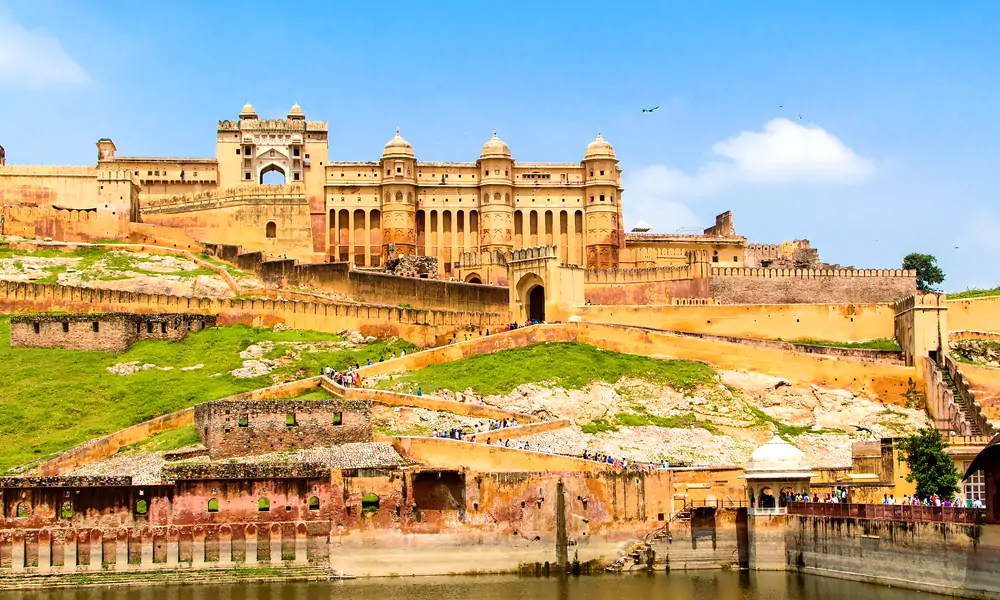
About 11 kilometers from Jal Mahal lies Amber Fort, which is an ornate hilltop fortress with gloriously developed Hindu-inspired architectural features and is extremely well-known for its panoramic views of the mountains surrounding it; it is most famous for its decorative carvings on stone and the way mirrors have been placed in the walls and roof, as well as for its remarkable courtyards.
2. Hawa Mahal
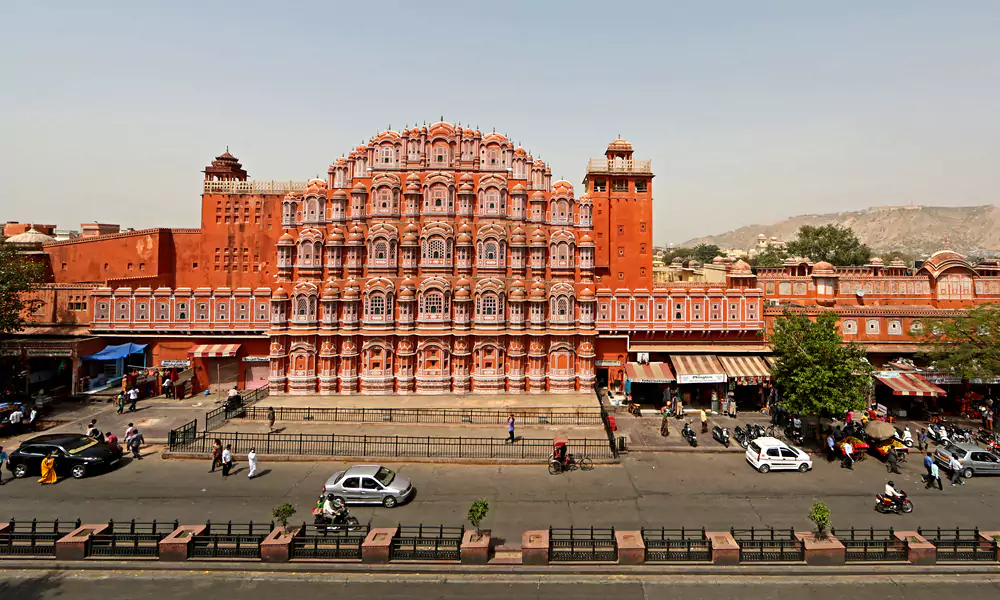
Hawa Mahal (Palace of Winds) is a beautiful five-story building located in Jaipur’s city center. Its unusual facade has 953 tiny windows called jharokhas that allow the royal women to watch street festivals without being seen by anyone outside.
3. City Palace
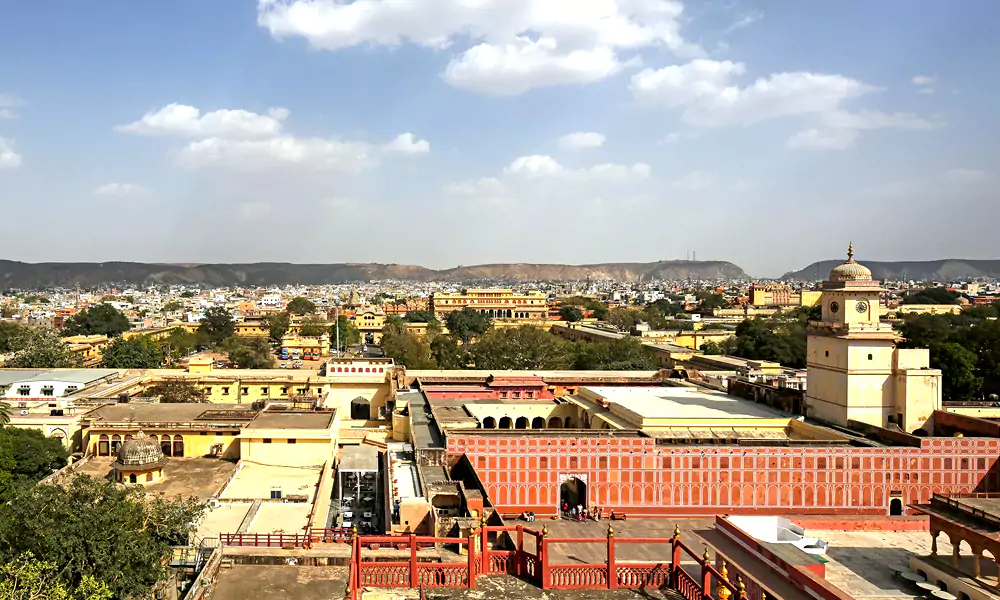
The City Palace complex, located in the heart of Jaipur, is a splendid blend of Rajput and Mughal architecture. The palace houses several museums, courtyards, gardens, and buildings, including the Chandra Mahal and Mubarak Mahal.
4. Jantar Mantar
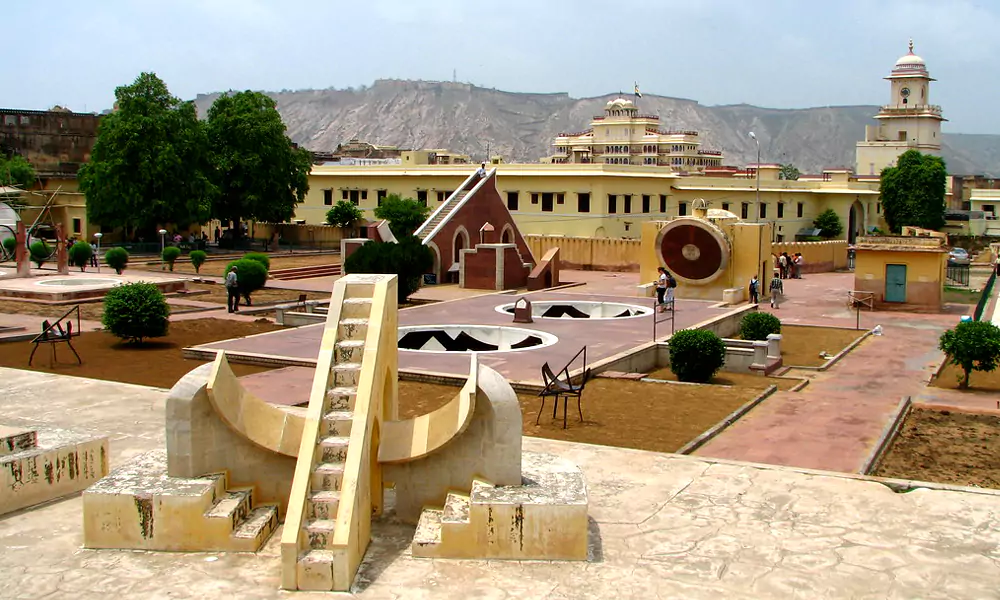
Jantar Mantar, a UNESCO World Heritage Site, is an astronomical observatory that Maharaja Jai Singh II built. Maharaja Jai Singh II created an astronomical observatory at Jantar Mantar, which consists of a wide range of architectural and astronomical instruments. These instruments were used to measure time, monitor celestial bodies, and observe the universe.
5. Nahargarh Fort
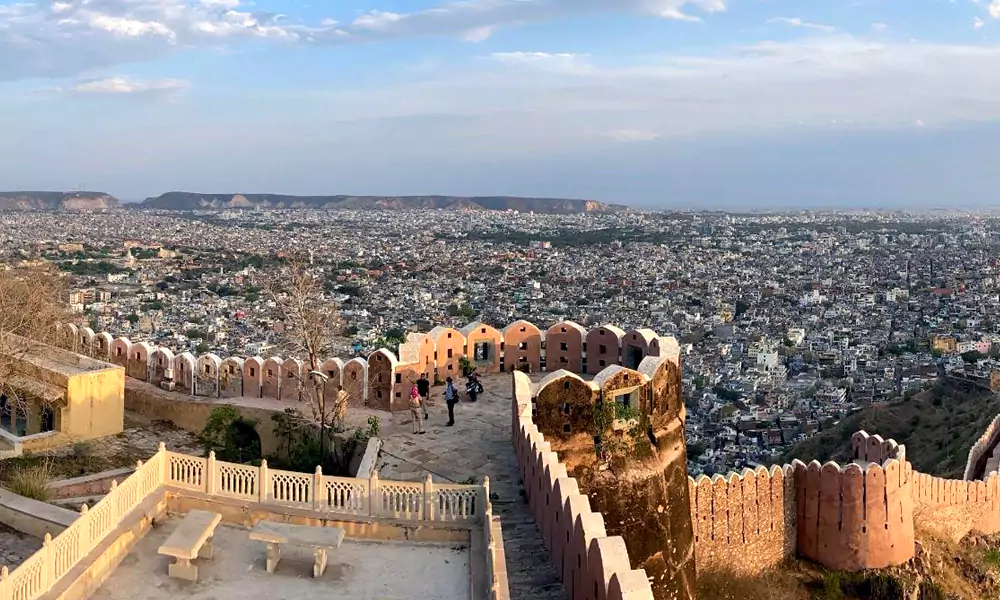
Nahargarh Fort is located on top of the Aravalli Hills in Jaipur and has a fantastic view of Jaipur’s skyline. This fort was commissioned by the Jaipur royal family as their ceremonial retreat. It includes beautiful murals, elaborate frescoes, and an extensive palace with elaborate rooms and courtyards.
Travel Tips
To make the most of your visit to Jal Mahal, consider the following travel tips:
Plan Your Visit
Before visiting Jal Mahal, take a few moments to confirm their opening hours and check for entry fees. Additionally, as a suggestion for maximizing your time there, plan to see it during the early morning or at sunset, so when the villa’s features are accentuated due to both being cooler out combined with the soft glow of light from the sun setting.
Photography
Many photographic opportunities can be found at Jal Mahal. You can photograph the palace’s reflection on the calm surface of the lake (the best times for this are at sunrise and sunset), as well as take advantage of the surrounding scenery and wildlife., which makes for great photos.
Respect the Environment
Help maintain the area’s natural beauty and ecological balance by not littering and following designated routes. Avoid disturbing wildlife, especially birds that inhabit the lake and surrounding areas.
Local Cuisine
While in Jaipur, enjoy local Rajasthani cuisine. Try traditional dishes like Dal Bati Churma, Gatte Ki Sabzi and Lal Mas at nearby restaurants. Savor local sweets like Ghewar, Mawa Kachori and Balushahi.
Shopping
You can find an array of shopping opportunities around Jaipur, including local arts, crafts and textiles, as well as souvenirs at endearing bazaars such as Johri Bazaar, Bapu Bazaar, and Tripolia Bazaar. Be prepared to haggle when bargaining or negotiating the price of items, as it is a common practice in this part of India.
Conclusion
Jaipur’s iconic landmarks include Jal Mahal, which has a floating palace on Man Sagar Lake. Visitors cannot enter the palace but are welcome to take free photos and boat rides around it. Jal Mahal’s one-of-a-kind design and beautiful location make it an important stop on any Jaipur itinerary.
FAQs
No, visitors cannot go inside Jal Mahal. The palace remains closed to the public to protect its structure and preserve its heritage. Tourists can view it from the lakeside or during boat rides on Man Sagar Lake.
Visitors can see Jal Mahal daily between 9:00 AM and 5:00 PM. The lakeside area stays open for viewing, and no prior booking is required.
No, Jal Mahal does not charge any entry fee for viewing from outside. Only boat rides on Man Sagar Lake require a separate ticket.
Yes, authorized operators offer boat rides on Man Sagar Lake. Visitors can view Jal Mahal from the water. Prices usually range from INR 50 to INR 200.










Leave a Comment